Choosing the best Cosmetics Case in 2026 requires more than matching colors or following seasonal trends. A reliable case should protect delicate palettes, organize brushes, and fit naturally into your daily routine. Think about airport luggage, a humid bathroom shelf, or a crowded studio drawer. Each situation demands a different design.
Bobbi Brown, professional makeup artist and founder of Bobbi Brown Cosmetics, once said, “Makeup is a way for a woman to look and feel like herself, only prettier and more confident.” Her statement also reflects the purpose of a good Cosmetics Case. It should support confidence, not create another frustrating task. Look for sturdy zippers, washable lining, secure compartments, and materials that resist moisture. Small details matter.
Do not choose the largest case automatically.
A spacious interior can become disorganized quickly. However, a compact model may force products into unsafe piles. This is where personal experience matters. Count your everyday items, measure your favorite palettes, and leave room for practical movement. Many buyers overlook handle comfort and interior visibility. That mistake becomes obvious during rushed mornings.
The best choice may not be the most expensive one. It should balance protection, portability, capacity, and lasting construction. Some designs look impressive online but feel weak after repeated travel. Reviews can help, yet they are not perfect. Consider verified materials, warranty information, cleaning instructions, and the manufacturer’s reputation before purchasing. This guide examines those factors carefully, while acknowledging that no single Cosmetics Case suits every user.
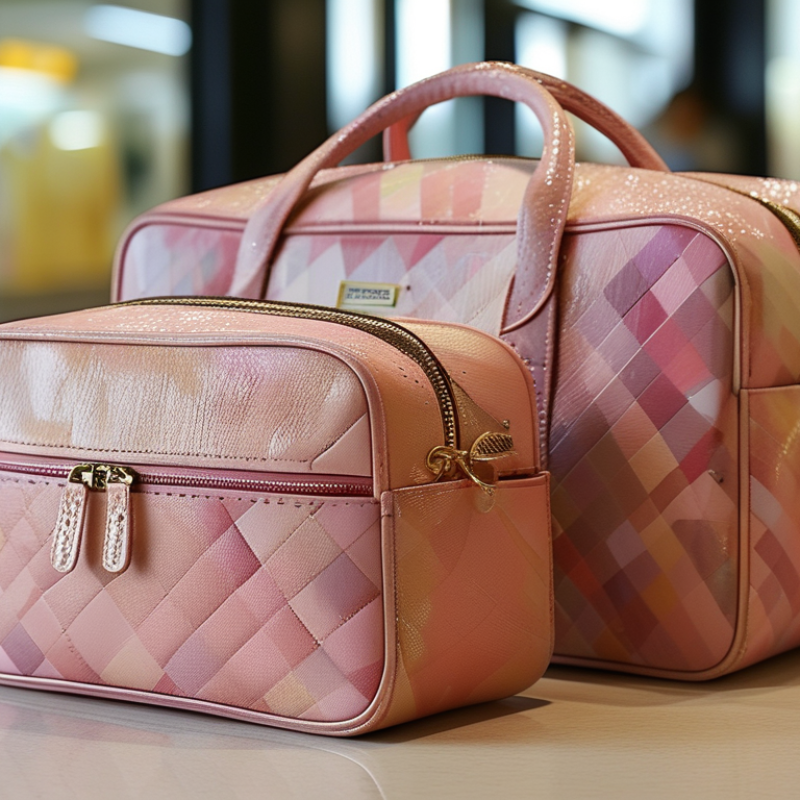
How to Choose the Best Cosmetics Case in 2026?
What Is a Cosmetics Case and Why Does the Right Choice Matter?
A cosmetics case is a protective container for makeup, skincare, brushes, and small beauty tools. It keeps loose items together and reduces spills inside your bag. A well-designed case also protects powders from impact and prevents creams from leaking onto clothing. That matters during commutes, flights, and busy morning routines.
In practical use, size should match your actual collection, not your imagined one. A compact case may hold daily essentials, while a larger case suits professional kits or longer trips. Look for washable lining, strong zippers, and compartments that keep brushes away from liquid products. Transparent sections can improve visibility. A flat base helps the case stay open on a bathroom counter.
Material affects reliability. Water-resistant fabric offers useful protection, but it does not make a case waterproof. Metal details may look durable, yet they can add weight and scratch nearby items. Soft cases fit crowded luggage better, while structured cases protect fragile containers more effectively. There is no perfect design. I have sometimes chosen extra compartments and later carried unnecessary weight. Rechecking your routine every few months can reveal what you truly use. The best choice balances hygiene, access, capacity, and portability without forcing you to overpack.
| Cosmetics Case Type | Typical Size | Approximate Capacity | Common Materials | Protection Level | Best Use | Main Advantages | Potential Limitations | Recommended Selection Criteria |
|---|---|---|---|---|---|---|---|---|
| Compact Makeup Bag | 18–24 cm wide 10–16 cm high |
3–8 liters | Polyester, nylon, cotton, coated fabric | Basic protection against dust and light splashes | Daily personal makeup and small skincare routines | Lightweight, flexible, easy to store in a handbag | Limited structure and little protection from crushing | Choose a washable lining, secure zipper, and at least one internal pocket |
| Structured Cosmetic Organizer | 24–32 cm wide 16–24 cm high |
8–18 liters | Water-resistant fabric, faux leather, reinforced polyester | Moderate protection against spills and everyday impact | Home storage, office use, and regular travel | Separate compartments help organize bottles, brushes, and palettes | Heavier and less flexible than a soft makeup bag | Look for adjustable dividers, elastic brush loops, and a wipe-clean interior |
| Hard-Shell Cosmetic Case | 25–35 cm wide 18–28 cm high |
10–25 liters | ABS plastic, polycarbonate, aluminum, metal hardware | High protection against crushing and external impact | Frequent travel and fragile cosmetic collections | Rigid structure, better stacking, and improved protection for glass containers | Usually heavier; rigid walls may reduce usable space | Prioritize reinforced corners, strong hinges, a reliable latch, and a removable tray |
| Train Case | 30–40 cm wide 22–32 cm high |
18–35 liters | Reinforced fabric, faux leather, ABS plastic | Moderate to high protection, depending on the frame | Professional makeup work and large personal collections | Large capacity, tiered trays, and fast access to products | Bulky for compact luggage and may become heavy when full | Check handle strength, tray clearance, wheel quality, and total loaded weight |
| Brush and Tool Case | 22–35 cm long 8–15 cm wide |
1–5 liters | Nylon, canvas, faux leather, molded plastic | Basic to moderate protection for tools | Makeup brushes, tweezers, scissors, and applicators | Keeps tools separated, clean, and easy to reach | Not suitable for storing many bottles or large palettes | Select washable brush slots, a protective flap, and enough length for the longest brush |
| Travel Toiletry and Cosmetic Case | 22–30 cm wide 15–23 cm high |
6–15 liters | Water-resistant nylon, polyester, TPU-coated fabric | Good protection against leaks and moisture | Air travel, gym use, and overnight trips | Compact design, hanging hooks, and useful bottle compartments | Soft sides provide less protection for fragile items | Choose leak-resistant pockets, a washable lining, and a shape that fits your luggage |
| Professional Rolling Case | 40–60 cm high 30–45 cm wide |
35–90 liters | Aluminum, ABS plastic, reinforced textile, steel frame | High protection and strong load-bearing capacity | Freelance artists, salons, events, and on-location work | Very high capacity, mobility, and organized compartments | Expensive to transport, heavier, and unsuitable for small storage areas | Compare empty weight, wheel durability, telescopic handle height, and internal layout |
| Modular Cosmetic Case | 25–45 cm wide 18–35 cm high |
12–40 liters | Textile, plastic panels, aluminum frames | Moderate to high protection | Users whose collections change frequently | Removable dividers allow the interior to adapt to different products | Interior organization may shift if dividers are weak | Check divider attachment, compartment depth, and compatibility with your tallest products |
Selection tip: Choose the smallest case that safely fits your regular cosmetics. Consider capacity, product fragility, water resistance, portability, cleaning convenience, and the total weight when fully packed.
A 20 to 25 centimeter case usually fits daily essentials. It can hold foundation, concealer, mascara, lipstick, and two small brushes. Keep some space empty. About 20 percent helps prevent crushed packaging and messy searching.
Choose a 28 to 32 centimeter case for a broader routine. It may hold skincare, makeup, brushes, and compact tools. Adjustable dividers make the interior easier to control. Do not fill every corner.
Measure your tallest bottle and widest palette before buying. Check the internal height, not only the outside dimensions. Thick padding can reduce usable space. I once trusted a “large” description and removed several products later.
Rigid plastic can balance weight, cost, and everyday protection. Impact-resistant plastic usually handles travel better than thin fabric. Aluminum feels firm but may dent under pressure. Soft fabric weighs less, but padding and stitching become critical.
Check reinforced corners, smooth hinges, secure handles, and strong fasteners. The case should remain balanced when fully loaded. Interior trays should not wobble. Test the zipper.
No. Water resistance is not complete protection. Covered zippers and sealed seams help reduce spill damage. They cannot prevent damage from careless storage or an open bottle. Keep liquids upright.
Adjustable dividers, elastic loops, and clear pockets keep small items visible. A removable pouch can separate skincare from color cosmetics. A washable brush section helps isolate powder and liquid residue. Loose powder travels everywhere.
A full case should not strain your wrist or feel difficult to carry. Choose a firm handle, smooth zippers, and a stable base. It should stand upright on a bathroom counter. I still overpack lip products sometimes. That is my mistake.
Choosing the best Cosmetics Case in 2026 means balancing capacity, protection, convenience, and long-term value. Start by assessing your collection and selecting a size that stores daily essentials without unnecessary bulk. A well-designed case should keep products visible and secure while remaining easy to carry, whether for home organization, travel, or professional use. Compartments, adjustable dividers, smooth zippers, easy-clean surfaces, and reliable handles can make everyday access much simpler.
Material and construction also influence quality and durability. Strong outer materials, protective padding, stable stitching, and moisture-resistant interiors help guard cosmetics from damage and spills. When comparing options, consider hygiene, sustainability, repairability, and the product’s expected lifespan alongside its price. A slightly higher initial cost may offer better value if the case lasts longer and reduces the need for replacement. By evaluating organization, portability, safety, environmental impact, and practical performance together, you can choose a Cosmetics Case that fits both your collection and your lifestyle.

 Jinze Crafts