Choosing a Makeup Box for international buyers requires more than attractive colors and a low factory price. The box must protect products, communicate brand value, and survive long-distance handling. A crushed corner can damage customer trust before the lipstick is opened.
McKinsey & Company’s 2023 beauty report expects the global beauty market to exceed $590 billion by 2028. That growth increases demand for reliable, premium, and more sustainable packaging. Smithers’ packaging research also highlights recyclable materials, lightweight structures, and responsible production as important market directions. These findings matter when comparing rigid boxes, magnetic closures, paperboard grades, inserts, and finishing options. Yet sustainability claims need evidence. “Eco-friendly” should never replace material specifications, testing records, or supplier verification.
David Luttenberger, Global Packaging Director at Mintel, has described packaging as “the most tangible expression of a brand.” That idea is useful for every Makeup Box decision. A soft-touch surface feels luxurious, but it may show fingerprints. A heavy magnetic box appears premium, but shipping costs can rise quickly. Recycled paper can support a stronger brand story, although color consistency may require compromise. No checklist is perfect. I have seen attractive samples fail because the insert moved during transport. This guide introduces ten practical buying tips for global buyers, covering dimensions, materials, customization, protective testing, order quantities, lead times, documentation, and total landed cost. The goal is not simply to buy a beautiful box. It is to select packaging that performs consistently from factory floor to customer’s vanity.
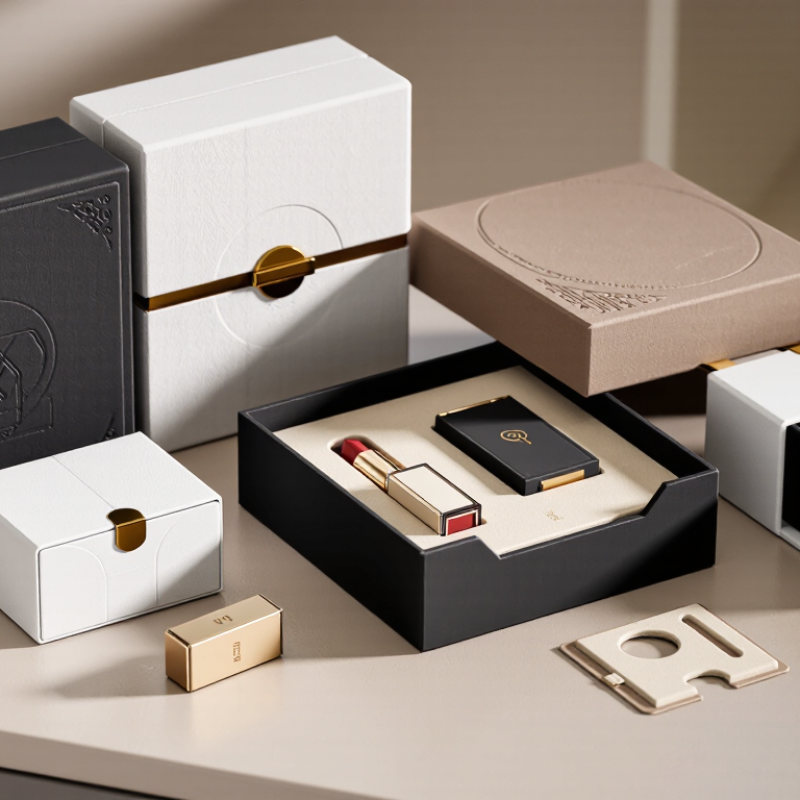
Before ordering a makeup box, define its exact job. In my sourcing experience, vague requirements often create costly revisions. A travel buyer may need a lightweight case with rounded edges and a strong handle. A professional artist may require adjustable compartments, deeper trays, and easy cleaning. A gift retailer may value elegant presentation more than maximum storage. Write down the product’s purpose, size, material, weight, color range, and expected quantity. Ask about shipping conditions and storage environments, too.
Your target market should guide every choice. Customers in humid regions may prefer moisture-resistant materials and secure closures. Buyers in cold climates may need packaging that tolerates temperature changes. Consider age, income, makeup habits, and preferred purchasing channels. A compact box may suit online shoppers with limited storage. A larger organizer may appeal to salons or frequent users. Do not guess. Review customer feedback, competitor specifications, and small survey results before finalizing the design.
Convert those findings into measurable specifications. Set dimensions that fit common products without leaving wasted space. Check hinge strength, mirror protection, tray movement, and surface cleaning. Request material declarations, packaging details, and documents needed for lawful import into each market. Always test samples under realistic conditions. Compare them with your written requirements.
I once focused too much on appearance and overlooked a loose latch. That mistake taught me to test function before approving finish.
Leave room for feedback; the first design is rarely perfect.
Write down its purpose, dimensions, material, weight, colors, and expected quantity. A travel user may need a light case and rounded edges. A professional user may need deeper trays and adjustable dividers. A gift buyer may care more about presentation. Be specific.
Humid regions may require moisture-resistant materials and secure closures. Cold climates may need packaging that tolerates temperature changes. Consider customer age, income, habits, and storage space. Online shoppers may prefer compact organizers. Do not guess.
Measure the tallest bottle and widest palette you carry. Include brushes, skincare samples, and other daily essentials. Use both centimeters and inches when reviewing international specifications. Leave enough room for movement. Measure twice.
Compare compartments by their intended use, not their total number. Adjustable dividers can separate powders from liquid products. Brush slots should hold handles without bending bristles. Removable trays support cleaning and changing routines. Many sections can still be useless.
Look for reinforced corners, smooth surfaces, strong closures, and a balanced handle. Check whether the bottom panel flexes under a full load. Inspect hinge strength and zipper movement. A beautiful case may fail quickly. Function matters more.
A mirror can help in dim hotel rooms or shared spaces. It should remain protected from brushes and loose tools. Check its padding and position before ordering. A mirror is useful, not essential.
Choose smooth, wipeable interior surfaces. Removable trays make spilled powder easier to remove. Ventilation may help after damp tools are stored. However, ventilation cannot replace regular cleaning. Clean it regularly.
Request samples and compare them with your written requirements. Load the box with real products, then inspect hinges, trays, padding, and closures. Test travel handling, surface cleaning, and storage conditions. I once prioritized appearance and missed a loose latch. That mistake still bothers me.
Buying the right Makeup Box for international markets requires a clear understanding of customer needs, product positioning, and regional preferences. Start by defining the intended users, sales channels, budget, and target market. Then assess material quality, structural durability, surface finish, and protective features to ensure the box can safely store and transport cosmetics. Compare different sizes, compartment layouts, closures, mirrors, handles, and other functional details to match practical usage and retail expectations.
Before placing an order, verify product compliance, packaging requirements, customization options, and the supplier’s production capabilities. Reliable communication, consistent quality control, and transparent documentation are essential for reducing procurement risks. Buyers should also compare total costs, request samples, evaluate production timelines, and calculate shipping expenses rather than focusing only on the unit price. Finally, confirm warranty terms, replacement procedures, and after-sales support so potential issues can be handled efficiently. A careful, well-rounded evaluation helps global buyers select a Makeup Box that balances quality, functionality, appearance, and long-term commercial value.

 Jinze Crafts