Why Choose a Decor Jewelry Box for Wholesale?
The global jewelry market continues to expand, creating new opportunities for retailers, designers, and gift businesses. Grand View Research estimated the global jewelry market at approximately US$353.26 billion in 2023. It also projects continued growth through 2030. This scale makes presentation more important, especially when products compete across online stores, boutiques, and exhibitions. A Decor jewelry box can support that presentation with structure, protection, and a stronger unboxing experience.
Wholesale buyers usually evaluate more than appearance. They consider unit cost, minimum order quantity, material consistency, shipping strength, and customer appeal. A rigid box with velvet lining can prevent scratches during storage. A hinged lid can make premium pieces feel more deliberate. According to Smithers’ packaging industry research, brand owners increasingly connect packaging quality with product differentiation and consumer experience. The exact effect varies by market. Still, the signal is clear.
Decorative packaging may also improve perceived value without changing the jewelry itself. That assumption deserves scrutiny. A beautiful box cannot repair poor craftsmanship or unreliable delivery. However, when design, protection, and pricing work together, it can strengthen a wholesale product line. Buyers should request samples, inspect hinges, test closures, and compare packaging damage after transport. These practical checks reveal weaknesses that photographs hide.
Reports from Grand View Research and Smithers provide useful market direction, but they do not replace direct customer feedback. Retailers should track repeat orders, display performance, and return comments. Small details matter. A clean logo, balanced colors, and a secure insert can influence the moment a customer opens the package. That moment may become part of the product’s identity.
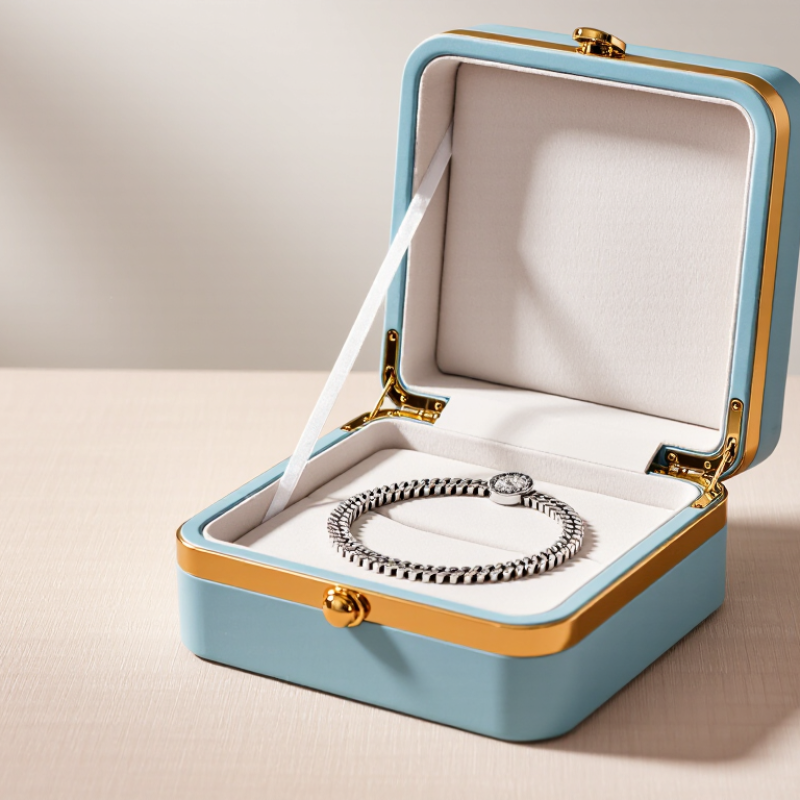
Why Choose a Decor Jewelry Box for Wholesale?
What Is a Decor Jewelry Box and How Is It Used?
A decor jewelry box stores small accessories while adding visual character to a room. It may use wood, fabric, metal details, glass, or textured finishes. Unlike a plain organizer, it can sit openly on a dresser, shelf, or reception counter. Its compartments separate rings, earrings, bracelets, and watches. Some designs include removable trays or soft lining to reduce scratches during daily handling.
During sample checks, I look at hinge movement, lining quality, drawer alignment, and surface durability. These details often reveal more than attractive photographs. A box should open smoothly and remain stable when several compartments are filled. Small details matter. A shallow ring slot may work well for earrings, but not for larger pieces. This is easy to overlook.
For wholesale use, decor jewelry boxes can support gift shops, home stores, jewelry retailers, and online product collections. Buyers may select several sizes or finishes for different customer preferences. Consistent dimensions also simplify shelf display and storage. Clear product information should explain materials, capacity, cleaning methods, and expected use. I would also request physical samples before placing a larger order. Photos can hide uneven stitching or weak closures. Not always. A carefully chosen box protects accessories and gives customers a practical decorative object, although no design suits every interior or storage habit.
A decor jewelry box combines organized jewelry storage with decorative value. The following representative wholesale planning benchmarks compare common jewelry box formats by approximate storage capacity, helping buyers match product size with customer needs and retail positioning.
Compact cases are suitable for travel and everyday essentials, while countertop and multi-tier boxes provide more space for rings, earrings, bracelets, watches, and necklaces. Decorative finishes can also make the box suitable for bedroom, dressing-table, or gift-oriented displays.
Wholesale purchasing gives retailers more than lower unit costs. It creates a consistent presentation for rings, earrings, and small watches. Grand View Research valued the global jewelry market at USD 353.26 billion in 2023. It also forecasts continued expansion through 2030. A decorative jewelry box can make a modest item feel more considered before opening. Bulk orders support consistent sizes, colors, and inserts across seasonal displays. That consistency saves staff time during packing and replenishment. Small savings compound.
Wholesale pricing becomes useful when buyers calculate total landed cost, not carton price alone. Include freight, storage, damaged units, customization, and slower-moving colors. The National Retail Federation reported USD 25.8 billion in planned Valentine’s spending in 2024, with jewelry remaining a popular gift category. Seasonal demand can justify larger packaging orders, but not unlimited quantities. A practical order may combine standard boxes with a smaller test quantity of ornate designs. Review sell-through after four to eight weeks. This approach protects cash and supplies evidence for the next purchase.
The weak point is obvious: bulk buying can create waste when trends shift. Recyclable paperboard, replaceable inserts, and nesting designs can reduce that risk. They are not perfect. Buyers should also inspect hinge strength, lining quality, odor, and print consistency before approving a large shipment. A beautiful sample means little if fifty boxes arrive scratched or misaligned.
| Evaluation Dimension | Wholesale Purchasing Benchmark | Business Benefit | Planning Consideration |
|---|---|---|---|
| Minimum order quantity | Commonly 50–500 pieces, depending on material, size, and customization | Supports consistent inventory for retail, gifting, and event orders | Select a quantity that matches forecast demand and available storage space |
| Unit-cost efficiency | Larger quantities generally reduce the average cost per box through production and packing efficiencies | Improves potential gross margin or leaves room for competitive pricing | Compare the landed cost, including product, packaging, freight, duties, and handling |
| Product consistency | One approved specification can be applied across the full production run | Creates a consistent display and customer experience across sales channels | Confirm dimensions, lining, hinges, closures, colors, and quality standards before production |
| Customization options | Wholesale orders may support custom colors, materials, inserts, printing, and decorative details | Helps create a differentiated product range or coordinated gift presentation | Request a prototype or pre-production sample for appearance and fit approval |
| Lead-time planning | Standard wholesale orders often require several weeks; customized orders generally take longer | Allows planned stock replenishment before seasonal or promotional demand | Include sampling, production, inspection, transit, and customs time in the schedule |
| Packaging protection | Bulk shipments can use standardized cartons and protective inner packaging | Reduces handling variation and helps protect delicate decorative surfaces | Check carton strength, cushioning, moisture protection, and shipping marks |
| Inventory availability | A planned bulk order provides more units on hand than repeated small purchases | Lowers the risk of stockouts during campaigns, holidays, and gift-giving periods | Use sales history and reorder points to avoid excess or slow-moving inventory |
| Merchandising value | Decorative boxes can be offered as display pieces, gift packaging, or storage products | Creates multiple selling positions and may increase perceived product value | Match the box style, color, and size with the jewelry category and target customer |
| Quality control | A bulk order can be checked against one defined inspection standard | Makes defects easier to identify before goods reach customers | Define acceptable limits for scratches, stains, loose fittings, color variation, and size tolerance |
| Environmental efficiency | Consolidated shipments can reduce the number of separate deliveries compared with frequent small orders | May reduce outer packaging use and transport activity per unit | Evaluate material recyclability, shipment distance, carton utilization, and total order volume |
Note: Wholesale quantities, lead times, customization availability, and cost advantages vary by product specification, order size, production capacity, shipping method, and destination.
When choosing decor jewelry boxes for wholesale, match the box to the collection, not only the buying budget. A glass-lid box suits colorful pieces that deserve quick visual inspection. Velvet-lined compartments protect polished surfaces and make small stones appear brighter. For daily-use jewelry, durable wood or engineered board offers steadier protection. It also creates a warmer display. Metal accents can add structure, but sharp corners may catch delicate chains. Test that detail before ordering hundreds of units. Small flaws multiply.
Collections need different layouts. Stud earrings work well with pierced panels or shallow trays. Rings need narrow slots that prevent movement during transport. Long necklaces require hooks, generous height, and a soft bottom area. Bracelets sit better in wider compartments with removable cushions. Mixed collections need adjustable dividers, though loose dividers can shift and reduce the premium feel. In practical sampling, I have found that a beautiful interior becomes ineffective when customers cannot reach the final piece easily.
For wholesale buyers, inspect stitching, hinges, odor, and lining adhesion from a sample batch. Repeated opening reveals weak hardware faster than a showroom inspection. Recycled paperboard can suit lightweight fashion collections, while solid wood fits heavier, gift-oriented assortments. However, material claims should be verified through supplier documents, not attractive wording. One practical compromise is offering two sizes with the same exterior finish. It simplifies packaging and keeps displays visually consistent. Still, glossy surfaces deserve reconsideration in dusty retail spaces; fingerprints appear almost immediately.
Wholesale buyers should evaluate suppliers beyond attractive product photos. Request a factory profile, material specifications, inspection records, and recent production samples. A 2020 global consumer study of 18,980 shoppers across 28 countries found that 77% considered sustainability important. This supports asking about recycled paper, wood sources, coatings, and packaging waste. Still, sustainability claims need evidence. A certificate alone is not enough.
For product quality, inspect hinges, magnets, velvet lining, seams, surface finish, and odor. Test the box after repeated opening, a short drop, and moderate humidity exposure. Use ISO 2859-1 sampling guidance, then set an agreed acceptance quality limit before ordering. Record defects by type, not only by total quantity. One perfect sample can hide weak production control. I would also compare three samples from different batches. This step feels slow, but it exposes inconsistency early.
Tips: Ask for a pre-production sample, a signed specification sheet, and an independent inspection option. Check color differences under natural and artificial light. Confirm carton strength and replacement terms in writing. Do not choose the lowest quote automatically; weak hinges and damaged corners can cost more than a higher unit price. Reassess the supplier after every shipment, because the first order may not represent normal performance.
Independent jewelry boutiques benefit most from decorative jewelry boxes because presentation supports perceived value. McKinsey and The Business of Fashion projected jewelry to grow about 5.8% annually from 2023 to 2028. That growth gives retailers more gifting opportunities, but crowded shelves demand stronger visual cues. A velvet-lined box, textured paper, or small metal clasp can make a modest necklace feel more considered. Not every customer wants ornament, though.
Gift shops, department stores, bridal retailers, and online jewelry sellers can also use wholesale boxes. They suit seasonal displays, wedding packages, birthdays, and premium delivery orders. Grand View Research valued the global jewelry market at approximately $353.26 billion in 2023. A larger market creates demand for packaging that protects items and photographs well. Online sellers especially need neat interiors, secure closures, and consistent sizing. Customers notice loose chains quickly.
The strongest customers are gift buyers, collectors, and shoppers purchasing keepsakes. They often want storage after the purchase, not only attractive unboxing. A compact box with compartments helps separate rings, earrings, and pendants. Reusable construction may also support sustainability expectations, although decoration can increase material use. That trade-off deserves testing. Retailers should compare damage rates, shelf space, opening experience, and repeat orders before committing to one style. A beautiful box can still disappoint when the hinge feels weak.
Match the box to the jewelry, not only the budget. A glass lid suits colorful pieces needing quick inspection. Velvet lining protects polished surfaces and makes small stones look brighter. Daily-use collections need durable wood or engineered board. Solid wood feels warmer and suits heavier, gift-oriented assortments.
Stud earrings fit pierced panels or shallow trays. Rings need narrow slots to prevent movement during transport. Long necklaces require hooks, extra height, and a soft bottom. Bracelets need wider compartments with removable cushions. Mixed collections benefit from adjustable dividers, but loose dividers may shift.
Test metal accents for sharp corners before ordering large quantities. They can catch delicate chains. Inspect lining adhesion, stitching, hinges, surface finish, and odor. Small flaws multiply. A beautiful box can still fail when customers cannot reach the last piece.
Request a pre-production sample and several samples from different batches. Repeatedly open and close the hinges. Try a short drop and moderate humidity exposure. Check color under natural and artificial light. One perfect sample can hide weak production control.
Ask for a factory profile, material specifications, inspection records, and recent production samples. Request a signed specification sheet. Confirm carton strength and replacement terms in writing. Sustainability wording needs evidence. A certificate alone is not enough.
Ask about recycled paper, wood sources, coatings, and packaging waste. Verify claims through supplier documents. Do not rely on attractive wording. A 2020 study found that 77% of surveyed shoppers considered sustainability important. Still, buyer expectations may vary by market.
Not always. Weak hinges, damaged corners, and poor lining can cost more later. Compare quality, inspection support, packaging strength, and replacement terms. A cheaper box may create extra handling work. I would still calculate the real total cost.
Offer two sizes with the same exterior finish. This simplifies packaging and creates a consistent display. Reconsider glossy surfaces in dusty retail spaces. Fingerprints appear almost immediately. Matte finishes may be more practical, though the visual effect deserves testing.
A Decor jewelry box is both a practical storage solution and an attractive display piece designed to organize rings, necklaces, earrings, bracelets, and other small accessories. Its decorative appearance can enhance dressing areas, retail counters, or gift presentations, while compartments, drawers, hooks, and protective linings help reduce tangling, scratches, and misplaced items. For businesses, wholesale purchasing offers advantages such as lower unit costs, consistent product availability, easier inventory planning, and greater flexibility when creating coordinated collections or seasonal promotions.
When selecting products, businesses should compare materials and designs according to the jewelry being stored. Wood, metal, glass, fabric, and synthetic materials each provide different levels of durability, style, and protection. Suppliers should be evaluated through sample inspections, craftsmanship checks, packaging standards, customization options, production capacity, and reliable communication. Jewelry stores, gift shops, fashion retailers, interior boutiques, and online sellers may benefit most, as can customers seeking organized, attractive, and affordable storage. A carefully chosen wholesale collection can combine functionality, visual appeal, and dependable quality while serving diverse shopping preferences.

Jinze Crafts