Global shipping puts packaging under pressure. Boxes face stacking loads, vibration, moisture, and repeated handling before reaching a customer’s door. A well-designed paper packing box can protect products while remaining light, printable, and adaptable to different shipment sizes. The material also fits established paper-recovery systems in many markets. That matters when buyers assess a package beyond its journey.
The U.S. Environmental Protection Agency’s 2018 national waste report estimated that 68.2% of paper and paperboard waste was recycled. It also reported a 96.5% recycling rate for corrugated boxes. These figures describe the United States, not every destination market, and they do not guarantee that a particular box will be recycled. Local collection access, coatings, adhesives, contamination, and box design all affect recovery. Details matter.
For exporters, paper packaging offers practical advantages: flat-packed cartons can save storage space, and custom inserts can help limit movement during transit. Yet paper is not automatically the better choice in every shipment. Heavy loads, long exposure to humidity, or poor carton construction can weaken performance. A box that looks sturdy may still fail at a seam. Testing is essential.
This article examines why businesses choose paper packing boxes for global shipping, including protection, handling, branding, and end-of-life considerations. The best option depends on the product, route, and conditions—not on material claims alone. Slightly inconvenient, perhaps. But honest.
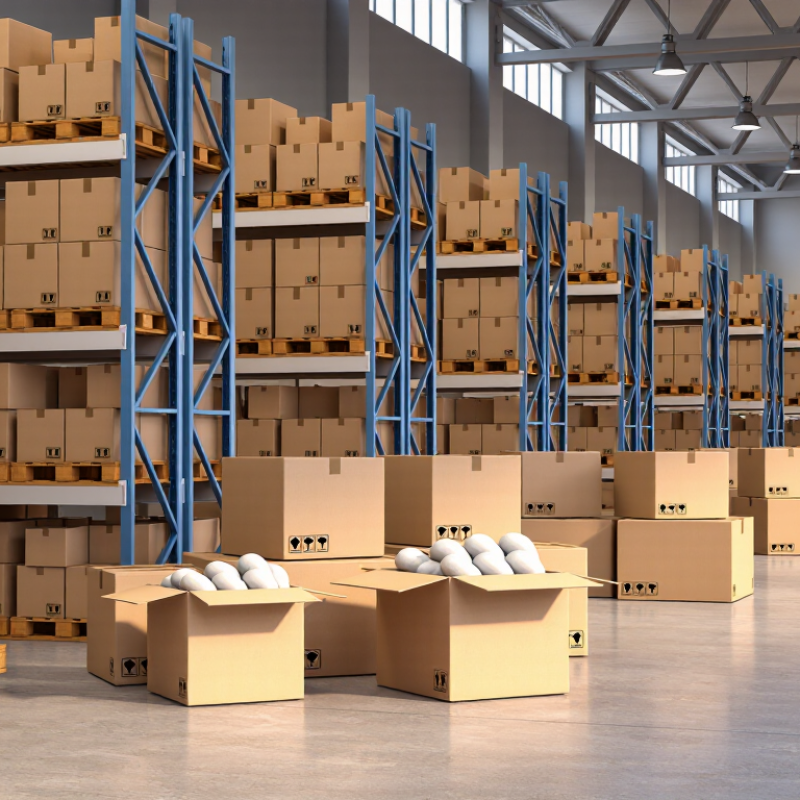
Paper packing boxes are usually made from corrugated fiberboard. They combine flat liner sheets with a fluted inner layer. This structure creates air spaces that absorb shocks and resist crushing during handling. A suitable box also keeps products stable through sorting, lifting, and long-distance transport.
Smithers’ 2024 market analysis projects global corrugated packaging sales will exceed 200 billion dollars by 2028. That scale reflects practical demand, not only environmental preference.
Protection depends on design. Box dimensions should leave little empty space, while paper inserts can prevent movement around fragile items. Strong edge construction helps when parcels are stacked in warehouses or containers.
ISTA test procedures offer useful guidance for vibration, drops, compression, and climate exposure. However, paper is not invincible. High humidity can weaken its fibers, especially during ocean freight.
A 2023 industry assessment by the American Forest & Paper Association reported a 93.6% recovery rate for corrugated containers in the United States in 2022, yet recovery does not excuse poor packaging choices.
I have seen a box look strong and still fail at the corners. That detail matters. Designers should test the complete package, including tape, inserts, product weight, and pallet pressure.
Water-resistant coatings may improve performance, but they can complicate recycling.
The better decision is often simpler: use the lightest box that passes realistic distribution tests.
Paper packing boxes perform well when their design matches long-distance handling. A box may face stacking pressure, vibration, humidity, and repeated transfers. Its strength comes from more than thick paper. A well-designed carton uses suitable board grades, tight folds, reinforced edges, and accurate dimensions. Empty space matters. Too much space lets products move, while too little space increases crushing risk. In export packing work, I check the box after a simulated journey, not only before sealing.
Layered construction helps distribute force across panels. Double-wall paperboard can support heavier loads, while internal dividers reduce impact between items. Flat, aligned surfaces also improve pallet stability and storage efficiency. A box that stacks evenly leaves fewer weak corners under pressure. Moisture deserves attention. Paper absorbs water, so liners, protective wraps, and dry storage may be necessary. Ventilation and warehouse records help teams notice dampness before cartons soften. However, protective additions can increase cost and material use.
No design is perfect. The practical answer is not always the strongest box. It is the box sized for the product and route. I would test drop resistance, compression, closure security, and label readability under realistic conditions. Small failures reveal useful lessons. A slightly damaged corner may expose poor pallet alignment, weak tape placement, or an unsuitable stacking height. Design should be reviewed after each shipping cycle. That habit supports safer handling, cleaner storage, and more dependable delivery across borders.
Paper packing boxes can reduce reliance on plastic cushioning and are widely accepted in established shipping and recycling systems. Their environmental value depends on the details, though. Recycled fibers may lower demand for virgin material, while efficient box sizing can reduce unused space and extra filler. Paper is not impact-free. Production uses water and energy, and a wet or badly damaged box may not be recyclable.
Cost matters across the full journey, not just at checkout. A lighter box can help control freight charges, and flat-packed cartons take up less storage space before use. A close-fitting box also means fewer fillers and less handling time. Still, the cheapest carton is not always the least expensive choice. If thin walls collapse under stacked parcels, replacement goods and customer service can quickly erase the savings.
Match the box to the route and the contents. A small test shipment can reveal whether corners hold up after sorting, stacking, and a rainy delivery stop. For fragile goods, paper inserts or layered corrugated board may provide useful cushioning without adding much bulk. Check local recycling access, too; collection rules and fiber quality vary by region. The trade-off is real, and a paper box will not suit every shipment. That deserves a closer look.
Paper packing boxes are light, easy to size, and often simpler to recycle than mixed-material packaging. But international shipping puts limits on their performance. A carton that feels sturdy at a warehouse may soften during humid transit or buckle under stacked freight. Not ideal.
Check the carrier’s current size and weight limits before choosing a box; dimensional pricing can make oversized cartons costly. Confirm destination packaging, labeling, and wood-packaging rules through official customs or carrier guidance. Paper cartons are generally not treated like solid-wood pallets, but attached wooden supports or crating may have separate requirements. Details matter. Choose a box rated for the packed weight, with enough cushioning to protect the contents without straining the seams.
Moisture deserves equal attention. Rain at a transfer point, container condensation, or a damp loading dock can weaken corrugated fibers. Use a water-resistant outer wrap when exposure is likely, seal seams well, and consider a compatible moisture barrier for sensitive contents. Test the complete package by stacking it and inspecting its corners after a damp-condition trial. No paper box is waterproof, and liners can complicate recycling. Check that trade-off before shipment.
ISPM 15 scope by packaging material
ISPM 15 generally covers regulated solid-wood packaging used in international trade; paper and cardboard packaging are outside its scope. This does not remove other import, carrier, or shipment-specific requirements. Check applicable gross-weight limits for the route and protect paper boxes from moisture, which can weaken them.
Scope indicator: 1 = generally covered; 0 = outside scope. Source: IPPC, ISPM 15.
When selecting paper boxes for global cargo, start with the item’s weight, shape, and route. Lightweight garments or printed materials may travel well in folding cartons with fitted inserts. Dense metal components need stronger corrugated board, often with double-wall construction and snug cushioning. Fit matters. An oversized box lets goods shift, while excess filler adds weight and packing time.
For long sea or air journeys, consider humidity, stacking pressure, and repeated handling. Corrugated board can weaken when damp, so a moisture-resistant treatment may help when exposure is likely. Check whether that treatment fits your recycling goals; coatings can affect how easily paper packaging is recovered. Keep seams secure, and leave flat space for shipping labels so barcodes remain readable after handling.
A common oversight is choosing a box by price before testing the packed load. It is worth reconsidering. Place the actual item inside, close the box as it will be shipped, and check for movement. A basic drop and stacking trial can reveal weak corners or crushed edges before a larger shipment goes out. No box suits every route, and paper packaging may not be the right choice for persistently wet conditions.
| Cargo Need | Suitable Paper Box | Typical Cargo | Why It Works | Global Shipping Considerations |
|---|---|---|---|---|
| Lightweight, non-fragile goods | Single-wall corrugated box | Clothing, textiles, books, and small household goods | Provides practical cushioning and containment with relatively low packaging weight. | Choose a box that fits the contents; fill empty space to limit movement. Keep cartons dry during storage and transit. |
| Moderate-weight or breakable goods | Sturdier single-wall or double-wall corrugated box with internal cushioning | Ceramics, glassware, small appliances, and packaged components | Additional board strength and cushioning help reduce damage from handling impacts and vibration. | Wrap items individually where appropriate and prevent contact between fragile pieces. Validate the packed parcel for the intended route and handling conditions. |
| Heavy or dense products | Double-wall or, where required, triple-wall corrugated box | Metal parts, tools, machinery components, and dense packaged goods | Multiple corrugated layers can provide greater stacking and compression resistance than a comparable single-wall box. | Select board strength for the packed weight and stacking conditions; use suitable closure and secure the load on a pallet when needed. Box performance depends on design and environment. |
| Export cargo moving on pallets | Stackable corrugated cartons designed for palletization | Wholesale cartons, retail stock, and consolidated shipments | Consistent carton dimensions can improve pallet stability and use of container space. | Plan carton size around the pallet footprint and load pattern. Keep cartons aligned, avoid overhang where possible, and secure the completed load. |
| Moisture-sensitive cargo | Corrugated box with a suitable moisture-protection system | Paper products, textiles, electronics, and goods sensitive to damp conditions | Paper boxes are lightweight and versatile, but protective liners or inner packaging can help shield cargo from moisture exposure. | Corrugated board can lose strength when wet. Consider the full route, condensation risk, and storage conditions; no paper box alone guarantees waterproofing. |
| Irregularly shaped or assorted items | Custom-size corrugated box with partitions or inserts | Mixed product kits, components, and multi-item orders | Partitions and fitted inserts help organize contents and reduce shifting inside the carton. | Avoid oversized cartons that add void space and may increase shipping volume. Check that inserts hold items securely without excessive pressure. |
Selection note: Box performance depends on board grade, dimensions, closure, packing method, moisture exposure, and handling conditions. Test the complete packed shipment for the intended transport route when cargo value or damage risk is high.
Match its board strength, dimensions, folds, and reinforcements to the product and route. Thick paper alone is not enough.
Choose a close fit and add internal dividers where items might collide. Too much empty space lets products shift.
Even, aligned surfaces help pallets stay stable. Reinforced edges can reduce weak corners under pressure.
Use protective outer wrap when rain or condensation is likely. Keep cartons dry, and inspect them for soft spots.
No. Liners may offer some protection, but they can complicate recycling. That trade-off deserves a closer look.
Test drops, compression, closures, and label readability. A damp-condition trial can also reveal softened corners.
Check current carrier size and weight limits. Oversized cartons may cost more under dimensional pricing.
They may have different requirements from paper cartons. Confirm current destination and carrier guidance before shipping.
It may point to poor pallet alignment, weak tape placement, or excessive stacking height. I may miss one cause, so review each shipping cycle.
A paper packing box is a practical option for protecting goods during global shipping. Its layered structure and carefully fitted dimensions can help cushion items, limit movement, and make cargo easier to stack and store. Box strength, closure method, and internal cushioning should match the shipment’s weight, shape, and handling needs, since packages may be loaded, transferred, and stored multiple times on a long journey.
Paper packaging is often lightweight, recyclable, and cost-effective, though its performance depends on design and use. Before choosing a box, consider stacking pressure, carrier size and weight limits, destination requirements, and exposure to rain or humid conditions. Moisture-resistant coatings or protective wrapping may help when needed. Selecting the right paper packing box for the cargo—whether it is fragile, heavy, or irregularly shaped—can support safer, more efficient shipping while reducing unnecessary material and transport costs.

Jinze Crafts